Category: Uncategorized

  • Best Ferries to Togean Islands in 2027: Ampana vs. Gorontalo Speedboat Schedules

    Best Ferries to Togean Islands in 2027: Ampana vs. Gorontalo Speedboat Schedules
    Best Ferries to Togean Islands in 2027: Ampana vs. Gorontalo Speedboat Schedules

    Key Takeaways

    • Ampana ferries offer consistent schedules; Gorontalo speedboats provide faster travel to Togean Islands in dry months.
    • Island Retreat resort offers affordable stays at $30 USD/night, perfect for budget travelers seeking paradise.
    • Local snorkeling is a budget-friendly adventure at $3.20 USD, ideal for exploring nearby islands and reefs.
    • Visit during the dry season (March-October) for optimal weather conditions and ferry schedule reliability.


    Best Ferries to Togean Islands in 2027: Ampana vs. Gorontalo Speedboat Schedules

    Planning a trip to the Togean Islands in 2027? Discover the best ferry options from Ampana and Gorontalo. We’ll compare schedules, prices, and travel times to help you choose the most convenient route for your adventure in this striking Indonesian archipelago.

    Ampana to Togean Islands: Speedboat Schedule and Details

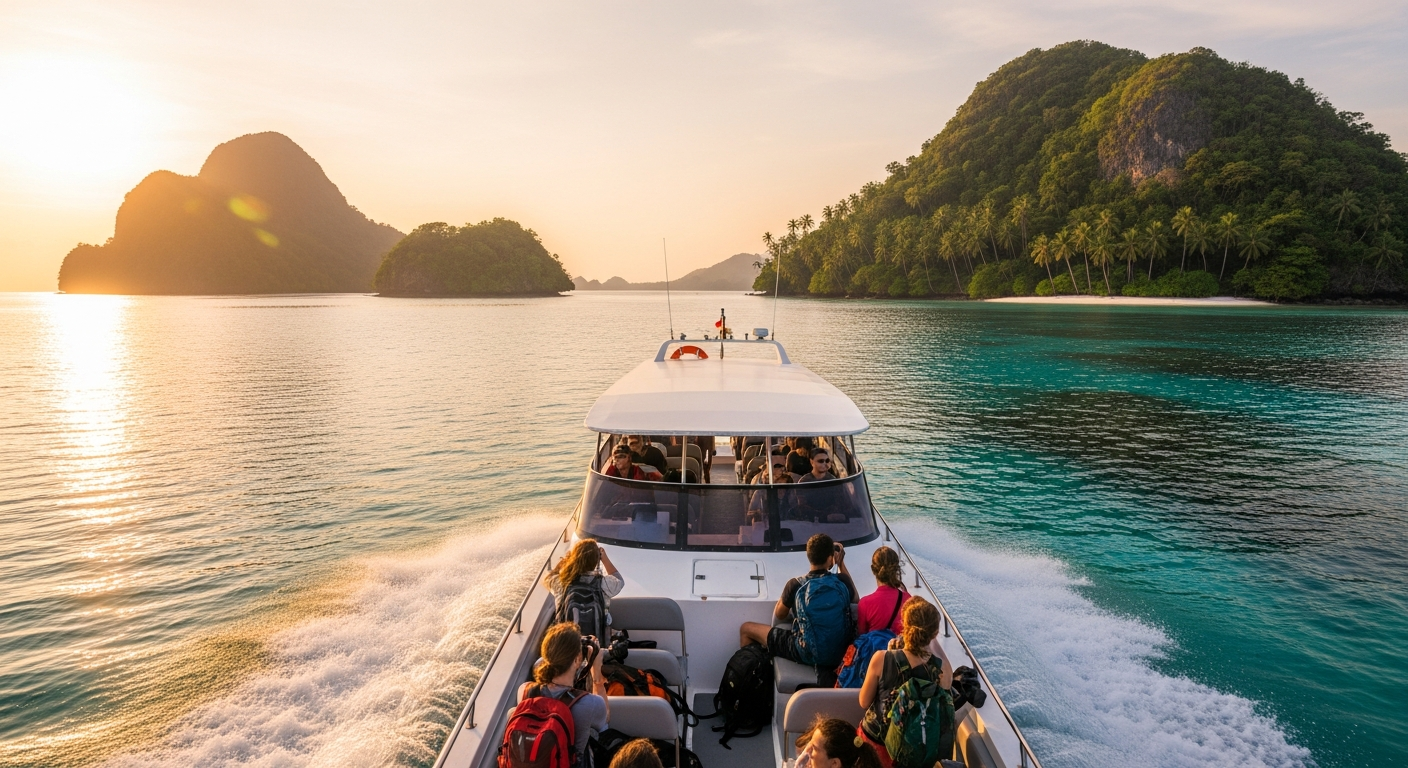
    In 2027, Ampana continues to be a popular departure point for travelers heading to the Togean Islands. The speedboat journey from Ampana to Wakai, the main port in the Togean Islands, takes approximately 1.5 hours. The speedboats operate daily, typically departing in the morning to provide travelers with a full day to explore the islands upon arrival. The town of Ampana is located conveniently close to the islands, which makes it an efficient starting point for tourists looking to minimize travel time.

    Tickets for the Ampana to Wakai speedboat are priced at $9.50 USD per person, offering a cost-effective option for reaching the islands. The vessels are equipped with safety gear and are operated by experienced crews. Passengers can enjoy scenic views of the Gulf of Tomini as they make their way to their island destination. The speedboat service is known for its punctuality and reliability, ensuring that visitors reach the Togean Islands in a timely manner.

    Gorontalo to Togean Islands: Speedboat Schedule and Details

    For those traveling from further afield, Gorontalo provides another access point to the Togean Islands. In 2027, the Gorontalo to Wakai speedboat service continues to operate as a reliable means of transport. The journey takes approximately 5 hours, making it a longer trip compared to the Ampana route, but it offers a chance to experience the remarkable expanse of the Gulf of Tomini.

    The Gorontalo speedboat service usually operates three times a week, with departures scheduled in the late afternoon or early evening. This schedule allows travelers to enjoy a night crossing, arriving in the Togean Islands at dawn. Ticket prices for this route are generally higher than those from Ampana, reflecting the longer distance and duration. The boats from Gorontalo are known for their comfort and are often preferred by those who enjoy a more leisurely journey.

    Cost Comparison: Ampana vs. Gorontalo

    When comparing the costs of traveling from Ampana and Gorontalo to the Togean Islands, Ampana emerges as the more economical choice. With speedboat tickets priced at $9.50 USD, travelers can enjoy a quick and affordable journey. In contrast, the Gorontalo route, although more expensive, offers the unique experience of a longer sea voyage across the Gulf of Tomini, often praised for its striking night skies and the tranquility of open waters.

    Travelers should also consider additional expenses such as accommodation and meals while deciding on their departure point. Ampana, being closer to the Togean Islands, might incur fewer pre-departure accommodation costs compared to Gorontalo, where travelers may need to plan for an overnight stay before their boat trip. In Gorontalo, accommodation prices can range from $20 to $50 USD per night depending on the comfort level, which should be factored into the overall travel budget.

    Departure and Arrival Points: What to Expect

    The departure point at Ampana is a busy port with facilities to accommodate travelers waiting for their speedboat. The area is well-equipped with local eateries and shops, providing an opportunity to stock up on supplies or enjoy a meal before departure. The busy atmosphere at the port gives travelers a taste of the local culture and hospitality, often with vendors selling fresh fruits and local crafts.

    Upon arrival at Wakai in the Togean Islands, visitors are greeted by the lively local community and the striking beauty of the archipelago. The port is a vital access point to the islands, with connections to local transportation options that can take you to various accommodations and activity centers, including the popular Island Retreat resort. The journey from Wakai to your chosen accommodation can be an adventure in itself, as many visitors opt for local boats or even traditional wooden canoes to reach their final destination.

    Seasonal Considerations for Your Trip

    The climate in the Togean Islands is tropical, with distinct wet and dry seasons. Travelers planning their visit for 2027 should aim for the dry season, which lasts from March to October, offering ideal weather conditions for island exploration and marine activities. During this period, the skies are clear, and the sea is typically calm, making it perfect for snorkeling and swimming.

    The wet season from November to February can bring heavy rains, which may affect travel schedules and local activities. It’s advisable to check weather forecasts and ferry schedules regularly during this period to ensure a smooth journey to the islands. Despite the rain, some visitors enjoy the lush greenery and fewer crowds during the wet season, making it a peaceful time to experience the islands.

    Activities and Accommodation in the Togean Islands

    Once in the Togean Islands, visitors can explore a variety of activities that cater to different interests. Snorkeling trips to nearby reefs and islands with a local Bajo fisherman cost around Rp 50,000 (approximately $3.20 USD) and provide a glimpse into the diverse marine life of the region. The waters around the islands are home to lively coral reefs and a wide array of colorful fish species, making it a region for underwater enthusiasts.

    For those interested in a more extensive marine adventure, atoll trips are available at Rp 150,000 (approximately $9.60 USD). These trips often include visits to remote and notable areas, offering a chance to see unique marine ecosystems and striking atolls. Accommodation options are plentiful, with the Island Retreat resort being a popular choice. Situated on a 400-meter white sand beach, the resort offers packages starting at $30 USD per person per night, inclusive of all meals. This offers a convenient base for visitors to relax after a day of exploring the islands. The resort is also known for its eco-friendly practices and commitment to sustainability, enhancing the natural beauty of the surroundings.

    Exploring Cultural Heritage: The Bajau People

    The Togean Islands are not only a region for nature lovers but also a place rich in cultural heritage. The islands are home to the Bajau people, known as the “sea nomads,” who have lived in harmony with the ocean for generations. Their unique lifestyle and traditions offer a fascinating insight into a way of life that is deeply connected to the sea.

    The Bajau communities are found in 37 villages scattered across the three largest islands: Batudaka, Togean, and Talakatoh. Visitors to these villages can observe traditional boat-making techniques and experience the Bajau’s rich oral storytelling traditions, which are often accompanied by music and dance. The Bajau people’s deep knowledge of the sea and marine life is invaluable, and interacting with them offers a deeper understanding of the region’s cultural notable.

    FAQs

    Q? What is the best time to visit the Togean Islands? A: The best time to visit the Togean Islands is during the dry season, from March to October, when the weather is most favorable for outdoor activities and travel.

    Q? How much does it cost to enter the Togean Islands Marine Park? A: There is a fee of $10 USD per person to enter the Togean Islands Marine Park, which helps support conservation efforts and maintain the park’s natural beauty.

    Q? Are there any unique activities to do on the Togean Islands? A: Yes, visitors can undertake a volcano hike on Una-Una Island, which is accessible via excursions costing around Rp 200,000 (approximately $12.80 USD), providing a unique experience for adventure seekers.


    For wider arrangements, our partner baliluxurytransport can coordinate end to end.

    Planning something bigger across Indonesia? Explore curated options at labuanbajoluxury.

    Explore all togeanislandtour.com options and plan your trip.

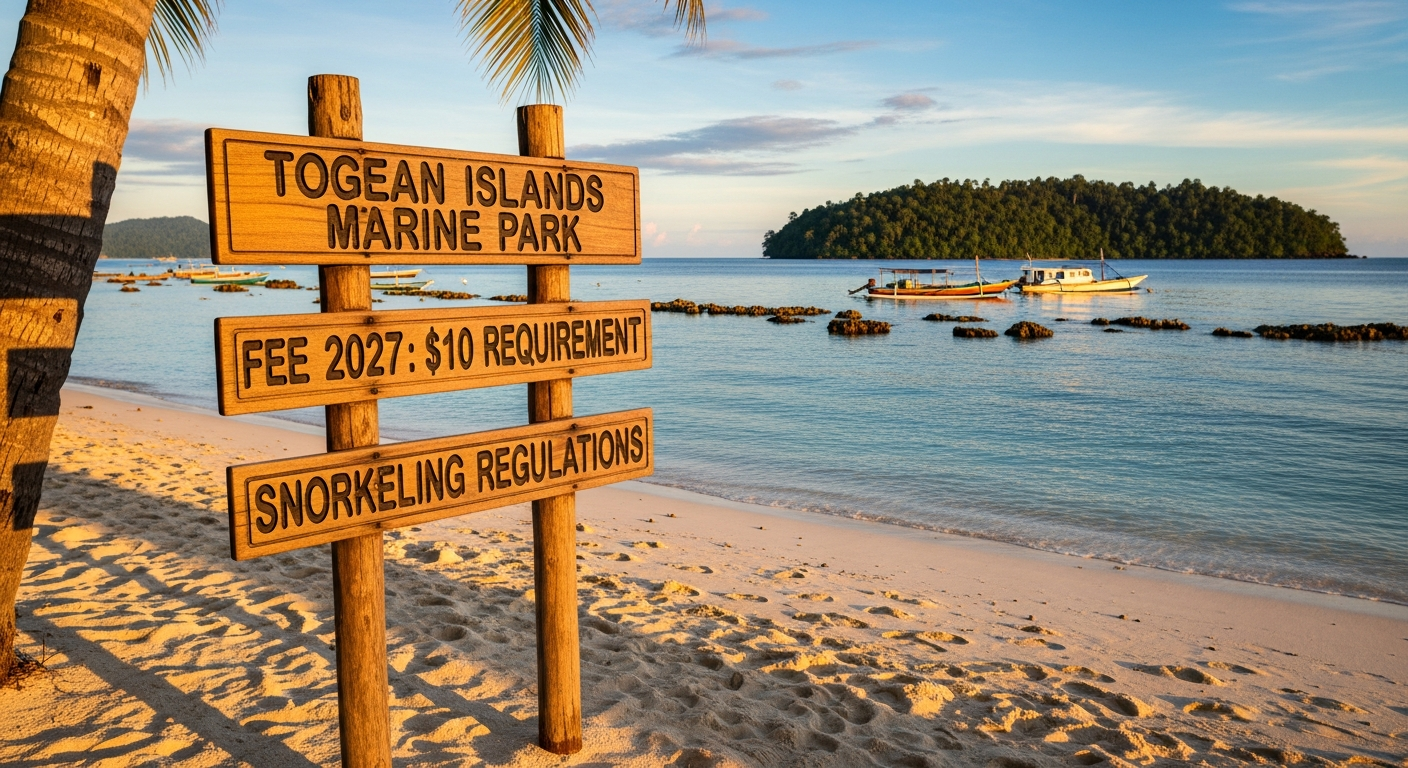
    See also: Togean Islands Marine Park Fee 2027: $10 Requirement and Snorkeling Regulations.
  • Togean Islands Marine Park Fee 2027: 0 Requirement and Snorkeling Regulations

    Togean Islands Marine Park Fee 2027: $10 Requirement and Snorkeling Regulations
    Togean Islands Marine Park Fee 2027: $10 Requirement and Snorkeling Regulations

    Key Takeaways

    • A $10 Marine Park fee is now required for visitors to the Togean Islands in 2027.
    • The driest months for visiting the Togean Islands are from March to October.
    • Island Retreat offers accommodations starting at $30 USD per person, including meals, on a 400-meter beach.
    • Local snorkeling trips cost Rp 50,000, while atoll trips are priced at Rp 150,000 with a Bajo guide.


    Togean Islands Marine Park

    Visiting the Togean Islands Marine Park in 2027 requires a $10 USD fee per person, essential for preserving its unique marine biodiversity. Visitors can explore the diverse snorkeling opportunities, with regulations in place to ensure the safety and sustainability of these rich underwater ecosystems. Read on to learn more about the requirements and snorkeling guidelines.

    Introduction to Togean Islands Marine Park

    The Togean Islands Marine Park, situated in Central Sulawesi, Indonesia, is famed for its rich biodiversity and lively marine life. Spanning a vast area in the Gulf of Tomini, the archipelago consists of approximately 56 islands, each offering unique diving and snorkeling experiences. The park is a haven for marine enthusiasts, providing an opportunity to witness an array of species, from lively coral reefs to exotic fish. The diverse ecosystems within the park are home to creatures such as the hawksbill turtle and the Napoleon wrasse, both of which are highlights for visitors exploring the waters.

    To sustain the ecological balance and support conservation efforts, a mandatory $10 USD fee is required for all visitors to the marine park. This fee contributes directly to the maintenance and protection of the environment, ensuring that the natural beauty and diversity of the islands are preserved for future generations. The funds also assist in the rehabilitation of habitats and the study of marine life, which are critical in adapting to the changes brought about by global warming.

    Understanding the $10 Marine Park Fee

    The $10 USD fee implemented for entry into the Togean Islands Marine Park is vital for conservation projects and the overall management of the area. This nominal fee supports initiatives that protect the fragile marine ecosystems from the impacts of tourism and climate change. The funds are also used to support local communities engaged in sustainable practices. Furthermore, this fee helps finance research programs that monitor the health of coral reefs, fish populations, and other vital indicators of ocean health.

    Visitors are encouraged to see their contribution as an investment in preserving the natural wonders of the Togean Islands. With the funds collected, park authorities can enhance safety measures, improve facilities, and conduct educational programs that raise awareness about the importance of marine conservation. These programs often involve workshops and seminars led by marine biologists, offering valuable insights into the significance of protecting oceanic habitats.

    Snorkeling Opportunities and Regulations

    Snorkeling in the Togean Islands offers an exhilarating experience, with crystal-clear waters revealing a lively underwater world. The regulations in place are designed to ensure that this experience is both safe and environmentally friendly. Visitors must adhere to guidelines that include using reef-safe sunscreen, maintaining a safe distance from marine life, and avoiding contact with the coral reefs to prevent damage. This is particularly crucial in areas like Kadidiri Island, known for its lively coral gardens.

    Local snorkeling excursions are available for a fee of Rp 50,000 (approximately $3.20 USD), providing access to nearby islands and reefs. These guided trips, often led by experienced Bajo fishermen, offer insights into the unique marine ecosystems and rich cultural heritage of the Bajau people. The Bajo, traditionally known as “sea gypsies,” share their deep knowledge of the marine environment, imparting wisdom on the delicate balance needed to sustain these waters.

    Best Times to Visit and Seasonal Considerations

    The climate in the Togean Islands is predominantly tropical, with distinct wet and dry seasons. The ideal time to visit is between March and October, when the weather is generally dry and favorable for outdoor activities such as snorkeling and diving. During these months, the seas are calm, offering excellent visibility for underwater exploration. The dry season is also when you can partake in local festivals, which are lively displays of the cultural notable of the islands.

    The wet season, from November to February, brings heavier rainfall and less predictable weather conditions. While some travelers may prefer the tranquility of the islands during this time, it’s essential to be prepared for potential weather disruptions that could impact travel plans and marine excursions. Despite the rain, this period is an excellent opportunity for birdwatching, as the lush environment attracts a variety of bird species.

    Accommodation Options and Local Experiences

    Island Retreat Resort, situated on a striking 400-meter white sand beach, provides a comfortable base for exploring the Togean Islands. Offering accommodations starting at $30 USD per person per night, the resort includes all meals, allowing guests to enjoy in local culinary delights without the hassle of meal planning. The resort’s menu features fresh seafood, sourced directly from local fishermen, and traditional dishes that reflect the lively flavors of Indonesian cuisine.

    For those seeking a deeper connection with the local culture, excursions such as the volcano hike on Una-Una Island are highly recommended. This excursion, priced at Rp 200,000 (approximately $12.80 USD), offers an adventurous day trip with remarkable views and a unique glimpse into the island’s geological features. The hike culminates with a remarkable view of the surrounding islands and the vast expanse of the ocean, making it a must-do activity for nature lovers.

    Transportation and Accessibility

    Accessibility to the Togean Islands is primarily via the local ferry service from Ampana to Wakai. The ferry journey, which takes approximately 1.5 hours and costs $9.50 USD per person, offers a convenient and scenic route to the islands. Travelers should plan their schedules around the ferry timetable, as there are limited departures each day. It’s advisable to book tickets in advance during peak season to ensure availability.

    Once on the islands, transportation options are generally limited to boat charters and guided tours. These services are essential for island hopping and accessing remote snorkeling and diving sites, allowing visitors to fully explore the diverse landscapes and marine environments of the archipelago. Chartering a boat for a day trip typically costs around Rp 500,000 (approximately $32 USD), a worthwhile investment for those aiming to visit multiple islands in one day.

    Cultural Insights and Local Communities

    The Togean Islands are not only a region for nature lovers but also a place full of cultural richness. The Bajau people, often referred to as “sea nomads,” have lived in harmony with the sea for generations. Their traditional stilt houses, perched above the water, reflect a unique adaptation to life in a maritime environment. Visitors can engage with these communities to learn about their customs, language, and way of life.

    Local markets provide a glimpse into the everyday life on the islands, where visitors can purchase handmade crafts and local produce. The markets, busy with activity, offer an array of fresh tropical fruits, locally-caught fish, and traditional textiles. Prices for souvenirs vary, with intricate woven baskets costing around Rp 100,000 (approximately $6.40 USD), while simpler items like shell necklaces start at Rp 25,000 (approximately $1.60 USD).

    FAQs

    Q? What is the Togean Islands Marine Park fee used for? A? The $10 USD fee supports conservation efforts, maintenance of the marine park, and community programs aimed at preserving the natural and cultural heritage of the Togean Islands.

    Q? Are there any specific snorkeling rules I should be aware of? A? Yes, visitors should use reef-safe sunscreen, avoid touching marine life and coral reefs, and follow the guidance of local snorkeling guides to minimize environmental impact.

    Q? What are the best months for snorkeling in the Togean Islands? A? The best time for snorkeling is during the dry season, from March to October, when the weather is favorable, and water visibility is at its best.


    For wider arrangements, our partner baliluxurytransport can coordinate end to end.

    Planning something bigger across Indonesia? For end-to-end service see balifasttrackairport.

    Explore all togeanislandtour.com options and plan your trip.

  • How Do You Get from Togean Islands to Bali in 2027? The 2-Day Luwuk Route Explained


    How Do You Get from Togean Islands to Bali in 2027? The 2-Day Luwuk Route Explained

    Traveling from the Togean Islands to Bali involves a two-day journey through Central Sulawesi, with a mix of ferry and flights. This guide details the Luwuk route, offering insights into transportation options, costs, and travel times for a smooth transition between these Indonesian destinations in 2027.

    Understanding the Togean Islands

    The Togean Islands form an archipelago situated in the Gulf of Tomini, Central Sulawesi, Indonesia. This group of approximately 56 islands and islets is known for its diverse marine life and traditional Bajau culture. The three major islands are Batudaka, Togean, and Talakatoh, with 37 villages primarily inhabited by the Bajau people, often referred to as sea nomads.

    Tourists visiting the Togean Islands are drawn to its rich biodiversity and the Togean Islands Marine Park. A marine park entry fee of $10 USD per person is required. The area is accessible during the dry season, from March to October, providing optimal conditions for snorkeling and diving activities. The islands are a notable trove for marine biologists and adventure seekers, offering experiences with unique species such as the dugong and green sea turtles.

    In addition, the islands boast striking landscapes that include the hidden beauty of Lake Mariona, where you can swim with non-stinging jellyfish. Such natural attractions provide a serene environment, making the Togean Islands a perfect getaway for nature lovers and those seeking tranquility away from busy city life.

    Getting from Togean Islands to Ampana

    Your journey from the Togean Islands begins with a ferry ride from Wakai, the main port on the islands, to Ampana on the mainland. The local ferry service provides a straightforward route, taking approximately 1.5 hours to cover the distance at a cost of $9.50 USD per person. This ferry operates regularly, ensuring reliable transport for travelers. It’s advisable to check the ferry schedules in advance, particularly during peak travel seasons, to secure your spot on the ferry.

    Wakai is accessible from various islands within the Togean archipelago. For instance, travelers staying at Island Retreat resort on a 400-meter white sand beach can arrange local boat transfers to Wakai. These transfers are often organized by the resort and are included in the accommodation package, which starts at $30 USD per person per night. The resort not only offers a relaxing stay but also assists in planning excursions, ensuring a smooth start to your journey.

    Traveling from Ampana to Luwuk

    Upon arrival in Ampana, the next stage of the journey involves traveling to Luwuk, a key transit point for flights to Bali. This leg of the trip is typically covered by road, with private car or shared transport options available. The distance from Ampana to Luwuk is around 180 kilometers, and the journey can take approximately 5 to 6 hours. The road trip offers scenic views of the lush countryside, providing an opportunity to appreciate the natural beauty of Central Sulawesi.

    Travelers can hire a private car for a more comfortable and flexible travel experience, with costs ranging from $60 to $80 USD. Alternatively, shared minivan services provide a cost-effective option at approximately $10 to $15 USD per person. These services operate daily, ensuring that travelers can continue their journey without delay. It’s recommended to book these services in advance to avoid last-minute inconveniences, especially during peak tourist seasons.

    Luwuk to Bali Flight Details

    Luwuk functions as an important hub for domestic flights within Indonesia. Once you arrive in Luwuk, the next step involves catching a flight to Bali. Currently, airlines such as Lion Air and Batik Air offer regular services on this route, with direct flights lasting approximately 3 hours. The Luwuk airport is relatively small but efficient, with sufficient amenities to cater to travelers’ needs.

    Flight prices can vary based on season and demand, with costs ranging from $100 to $200 USD for a one-way ticket. Booking in advance can often secure better rates. The airport in Luwuk is equipped to handle domestic flights efficiently, providing necessary facilities for travelers awaiting connections. It’s advisable to keep your travel itinerary flexible in case of delays, which can occur due to weather conditions or other operational factors.

    Accommodation and Travel Tips

    While planning your two-day journey from the Togean Islands to Bali, consider booking accommodation in Ampana or Luwuk if your schedule requires an overnight stay. Both towns offer a range of options, from budget-friendly guesthouses to mid-range hotels, with prices starting at $20 USD per night. The availability of accommodations can fluctuate with the tourist season, so early reservations are advisable.

    It is wise to plan your travel during the dry season, from March to October, to avoid the wet conditions that can affect transport schedules. Engage with local guides or travel agencies to arrange transfers and accommodations, ensuring a stress-free travel experience. Additionally, always confirm flight and ferry schedules in advance as they can change based on weather and operational considerations. Having a local SIM card or internet access will help stay updated with travel announcements and coordinate with transportation services effectively.

    Cultural Experiences in the Togean Islands

    Before leaving the Togean Islands, engage yourself in the local culture and traditions. The Bajau people, known as sea nomads, offer unique cultural experiences that reflect their maritime heritage. Engaging with local communities allows travelers to learn about traditional fishing techniques and participate in cultural festivities held throughout the year, making for an enriching experience.

    The islands also host several cultural festivals, showcasing the lively arts and crafts of the region. These events often include traditional dance performances and artisan showcases, where you can purchase handcrafted souvenirs as a memento of your visit. Attending such events not only enhances your understanding of the local culture but also supports the preservation of these traditions.

    Additional Activities in Togean Islands

    Before departing the Togean Islands, take the opportunity to explore its unique offerings. Snorkeling trips with local Bajo fishermen are available for Rp 50,000 (approximately $3.20 USD), providing an immersive experience of the lively marine ecosystems. For a more adventurous outing, excursions to Una-Una Island offer volcano hikes at Rp 200,000 (around $12.80 USD). The hike provides panoramic views of the surrounding archipelago, offering a rewarding experience for adventure enthusiasts.

    These activities not only enhance your stay but also support the local community, contributing to sustainable tourism. The mix of cultural and natural attractions makes the Togean Islands a memorable starting point for any journey across Indonesia. The islands’ commitment to ecological preservation ensures that these unique landscapes remain protected, allowing future generations to enjoy their untouched beauty.

    FAQs

    Q? How much time should I allocate for the journey from Togean Islands to Bali via the Luwuk route? A: The journey typically takes two days, including ferry, road, and flight travel. Booking schedules and confirming transport arrangements in advance can optimize your travel time.

    Q? Are there any direct flights from the Togean Islands to Bali? A: No direct flights are available; the journey involves a ferry to Ampana, road travel to Luwuk, and then a flight to Bali.

    Q? What are the travel costs from Togean Islands to Bali using the Luwuk route? A: Total costs vary, but expect to spend approximately $150 to $300 USD per person, covering ferry, road transport, and flight expenses. Planning and booking ahead can help manage expenses.


    For wider arrangements, our partner baliluxurytransport can coordinate end to end.

    See also: Essential Packing List for Togean Islands 2027: Gear for Diving, Ferries, and Humid Weather, Is Togean Islands Safe for Solo Travelers? 2027 Safety Tips and Marine Park Risks · Home.

  • Is Togean Islands Safe for Solo Travelers? 2027 Safety Tips and Marine Park Risks

    Exploring the Togean Islands as a solo traveler can be a thrilling experience if safety precautions are taken. This archipelago in Central Sulawesi, Indonesia, offers rich marine biodiversity, affordable travel options, and unique cultural encounters. By understanding local customs, weather patterns, and tourist guidelines, you can safely enjoy everything this beautiful area has to offer.

    Understanding the Togean Islands

    The Togean Islands, located in the Gulf of Tomini, Central Sulawesi, consist of approximately 56 islands and islets. They are renowned for their diverse marine life, lush rainforests, and lively coral reefs. The islands are primarily inhabited by the Bajau people, known as sea gypsies, who have lived in harmony with the ocean for generations. The largest islands include Batudaka, Togean, and Talakatoh, each offering unique landscapes and cultural experiences. The Togean Islands experience a tropical climate, with temperatures averaging between 25°C to 30°C (77°F to 86°F) throughout the year.

    Travel to the Togean Islands usually involves a ferry from Ampana to Wakai, costing around $9.50 USD per person for a 1.5-hour journey. This mode of transport provides a reliable and scenic introduction to the islands. Visitors will enjoy views of the notable waters and may even spot dolphins along the way. Ensuring you have a planned itinerary and accommodation ahead of time is crucial, as the islands have limited facilities and resources. Booking in advance during the busy dry season months is recommended to secure your preferred lodging.

    Safety Tips for Solo Travelers

    As a solo traveler, safety should be your top priority while visiting the Togean Islands. The dry season, from March to October, is the best time to visit, as the weather conditions are most favorable. However, during the wet months from November to February, travelers should be cautious of potential natural disturbances, such as heavy rain and choppy seas. The increased rainfall can affect ferry schedules and access to certain islands.

    Maintaining communication with local authorities and fellow travelers can enhance your safety. It is advisable to inform someone about your travel plans, including intended routes and activities. Additionally, having a basic first-aid kit and knowing how to contact local emergency services can provide extra security during your trip. Local clinics are available on larger islands like Batudaka and Togean, but for serious medical issues, travel to the mainland may be necessary.

    Marine Park Risks

    The Togean Islands Marine Park is a haven for marine biodiversity and is protected by local regulations. Tourists must pay a $10 USD entry fee to access the park. While snorkeling and diving, be aware of marine park rules to preserve these natural habitats. Engaging with local guides can enrich your experience and ensure adherence to safety protocols. The park is home to species like dugongs, sea turtles, and an array of fish, making responsible tourism practices essential.

    Though the waters are generally calm, be cautious of strong currents and jellyfish, especially during the rainy season. Wearing a rash guard or wetsuit can protect against stings and sunburn. Familiarizing yourself with the local marine life can prevent unwanted encounters and enhance your appreciation of the underwater world. Additionally, always check weather conditions before setting out on the water.

    Accommodation and Local Transportation

    Accommodations in the Togean Islands cater to various budgets, with options like the Island Retreat resort offering stays for as little as $30 USD per person per night, including meals. Situated on a 400-meter white sand beach, the resort is ideal for relaxation and easy access to the beachside activities. Other accommodations range from homestays that provide an authentic local experience to more upscale resorts with additional amenities.

    For getting around the islands, local snorkeling trips and excursions with Bajo fishermen cost as little as Rp 50,000 (approximately $3.20 USD). Longer trips, such as atoll explorations, are available for Rp 150,000 (around $9.60 USD). These affordable options offer unique insights into the daily lives and traditions of the islanders while ensuring your travel remains economical. Visitors can also rent motorcycles or boats to explore at their own pace, though care should be taken on less developed paths.

    Cultural Etiquette and Interactions

    Respecting local customs and traditions is critical when visiting the Togean Islands. The Bajau people, with their rich cultural heritage, often welcome visitors with open arms. However, travelers should be mindful of respecting their privacy and traditions. Dress modestly, especially in villages, and always ask for permission before taking photographs of people or private property. Gifts such as school supplies or simple snacks are appreciated when visiting local communities.

    Participating in local festivals and cultural events can provide a deeper understanding of the Bajau community. Engage respectfully and learn a few phrases in Bahasa Indonesia or the local dialects to show appreciation for their culture. This effort can foster meaningful connections and enhance your travel experience. Attend events like boat races or traditional dance performances for a glimpse into the lively cultural life of the islands.

    Activities and Adventures

    The Togean Islands offer numerous adventures for thrill-seekers and nature lovers. One of the highlights is a volcano hike on Una-Una island, accessible through excursions costing around Rp 200,000 (approximately $12.80 USD). This trek provides striking views and a rewarding experience for those with a passion for exploration. The hike typically takes a full day, so adequate preparation and guide services are recommended.

    For water enthusiasts, snorkeling and diving in the clear waters reveal lively coral gardens and a plethora of marine life. Local guides can take you to popular spots like Kadidiri Island, where you can witness the islands’ underwater beauty firsthand. Whether hiking or exploring the reefs, each activity contributes to a memorable journey through this enchanting archipelago. There are also opportunities for kayaking, fishing, and bird watching, offering something for every type of explorer.

    Environmental Conservation Efforts

    The Togean Islands have become a focal point for environmental conservation efforts, aimed at preserving the unique ecosystems and biodiversity of the area. Local communities, alongside international organizations, work tirelessly to protect the marine and terrestrial environments. Conservation projects include coral rehabilitation, mangrove reforestation, and education programs for sustainable fishing practices.

    Visitors can support these efforts by participating in eco-friendly tours and volunteering with local conservation projects. Simple actions like reducing plastic usage, respecting wildlife habitats, and supporting local businesses contribute significantly to these initiatives. The Togean Islands serve as a model for sustainable tourism, showcasing how travelers and locals can coexist harmoniously while protecting natural resources for future generations.

    FAQs

    Q? Is it safe to travel alone in the Togean Islands? A: Yes, it is generally safe for solo travelers, provided they take standard safety precautions such as informing someone about their travel plans and staying aware of their surroundings.

    Q? What is the best time to visit the Togean Islands? A: The best time to visit is during the dry season, from March to October, when the weather is most favorable for outdoor activities and travel.

    Q? How can I access the Togean Islands Marine Park? A: Visitors must pay a $10 USD entry fee to access the marine park. It is advisable to visit with local guides to ensure safety and compliance with park rules.

    For wider arrangements, our partner baliluxurytransport can coordinate end to end.

    See also: 7-Day Togean Islands Itinerary: From Ampana Ferry to Wakai Island Hopping, Essential Packing List for Togean Islands 2027: Gear for Diving, Ferries, and Humid Weather · Home.

  • Essential Packing List for Togean Islands 2027: Gear for Diving, Ferries, and Humid Weather


    Essential Packing List for Togean Islands 2027: Gear for Diving, Ferries, and Humid Weather

    The Togean Islands offer diverse experiences, from diving to ferry travels. To make the most of your trip, pack essentials for warm, humid weather, water activities, and island hopping. This guide will help you prepare with the right gear for an enjoyable journey.

    Weather-Appropriate Clothing

    Visiting the Togean Islands requires planning for hot and humid conditions, especially during the dry months from March to October. Lightweight and breathable fabrics like cotton and linen are ideal for staying comfortable. Consider packing several short-sleeved shirts and shorts, alongside a few long-sleeved options to protect against sun exposure.

    Humidity can be relentless, making quick-dry clothing valuable after excursions in the water or unexpected rain showers during the wet season from November to February. A wide-brimmed hat and sunglasses will offer additional protection against intense sunlight during outdoor activities.

    The islands’ location near the equator means that temperatures generally remain consistent, averaging between 25°C (77°F) and 30°C (86°F). Packing a light rain jacket for sudden tropical showers is advisable, particularly if you plan to visit during the rainy months.

    Diving and Snorkeling Gear

    The Togean Islands are renowned for their lively marine life and clear waters, making diving and snorkeling top activities. While you can rent equipment locally, bringing your own ensures a better fit and hygiene. Essential gear includes a mask, snorkel, fins, and a lightweight wetsuit if you plan on extended underwater activities.

    For avid divers, bringing a dive computer and an underwater camera can enhance the experience. The marine park fee is $10 USD per person, supporting conservation efforts. Local snorkeling trips with a Bajo fisherman are affordable at approximately $3.20 USD, while more extensive atoll trips cost around $9.60 USD.

    lively coral reefs and diverse marine species such as sea turtles and reef sharks make the waters around Kadidiri Island a popular spot for underwater adventures. Visibility can reach up to 25 meters (82 feet), offering spectacular views of the underwater world.

    Travel Essentials for Ferries and Transfers

    Getting to and around the Togean Islands often involves ferry rides, such as the 1.5-hour journey from Ampana to Wakai, costing $9.50 USD per person. For comfort during these transfers, consider packing a small travel pillow and a lightweight jacket as ferry interiors can be cooler.

    Waterproof bags are invaluable for protecting electronics and important documents from sea spray and rain. Additionally, carrying a portable battery pack ensures your devices stay charged, providing peace of mind during island transfers and excursions.

    Given the remote nature of the islands, ferry schedules can be subject to change based on weather conditions. It’s wise to check with local operators in Ampana or Wakai for the latest schedule updates to avoid any unexpected disruptions to your travel plans.

    Accommodations and Local Experience

    Staying in the Togean Islands offers a range of accommodations. Island Retreat resort provides a comfortable stay at $30 USD per person per night, with meals included. This resort is situated on a 400-meter white sand beach, offering easy access to the surrounding natural beauty.

    For a more immersive local experience, engage with the Bajau people in one of the 37 villages across the islands. Whether you are enjoying local culinary delights or exploring cultural traditions, packing a phrasebook or translation app can facilitate meaningful interactions.

    Towns like Malenge and Katupat offer opportunities to observe traditional Bajau stilt houses built over the water. Visitors can participate in cultural tours that showcase the Bajau’s unique way of life and their relationship with the sea.

    Health and Safety Precautions

    Travelers should prioritize health and safety while exploring the Togean Islands. Start by packing a comprehensive first-aid kit, including band-aids, antiseptics, pain relievers, and any personal medications. Travel insurance with coverage for outdoor and water activities is highly recommended.

    Insect repellent is essential due to the prevalence of mosquitoes, particularly during the wet season. Additionally, sunblock with a high SPF rating will protect against sunburn during long days outdoors. Staying hydrated is crucial in the tropical climate, so consider carrying a reusable water bottle with a filtration system.

    In remote areas, medical facilities may be limited. It’s advisable to carry a basic medical guidebook and learn a few basic phrases in the local language for emergencies. The nearest hospital with comprehensive services is in Ampana, making it crucial to have a plan for accessing medical care if needed.

    Exploring Una-Una and Beyond

    Una-Una Island, accessible through excursions costing approximately $12.80 USD, offers adventurous visitors the opportunity to hike a volcano. Sturdy hiking boots and moisture-wicking clothing are vital for tackling the terrain comfortably. Bringing a daypack will ensure you can carry water, snacks, and a camera for capturing scenic views.

    Beyond Una-Una, the largest islands—Batudaka, Togean, and Talakatoh—are worth exploring. Each offers unique landscapes and experiences. Whether you’re hiking, diving, or engaging with local communities, preparation ensures a rewarding journey through the archipelago.

    The trails on Una-Una lead to striking vistas overlooking the Gulf of Tomini, with opportunities to spot the island’s rich birdlife along the way. Hikers can expect to spend around 2 to 3 hours reaching the summit, depending on their pace and the weather conditions.

    Local Cuisine and Dining

    The culinary offerings in the Togean Islands reflect both the natural bounty of the sea and the rich cultural notable of its inhabitants. Fresh seafood is a staple, with dishes often featuring grilled fish, octopus, and prawns, seasoned with local herbs and spices.

    Visitors are encouraged to try “ikan bakar,” a popular grilled fish dish served with sambal, a spicy chili paste. Meals are often accompanied by steamed rice and vegetables, creating a balanced and flavorful dining experience.

    Meals at Island Retreat resort are included in the accommodation, offering guests a taste of local flavors with an international twist. For those venturing into local villages, dining in small family-run warungs provides an authentic taste of regional specialties at affordable prices, typically around Rp 30,000 to Rp 50,000 (approximately $2 to $3 USD) per meal.

    FAQs

    Q? What is the best time to visit the Togean Islands? A. The Togean Islands are best visited during the dry months from March to October, when the weather is more predictable and conducive to outdoor activities. However, the islands can still be visited during the wet season from November to February, though travelers should be prepared for occasional rain.

    Q? How much does it cost to enter the Togean Islands Marine Park? A. Entry into the Togean Islands Marine Park requires a fee of $10 USD per person. This fee supports conservation efforts and helps maintain the park’s natural beauty.

    Q? Are there any specific health precautions travelers should take? A. Travelers should be mindful of the tropical climate and potential health risks, including mosquito-borne diseases. Packing insect repellent, sunblock, and a comprehensive first-aid kit is essential. Additionally, it’s wise to have travel insurance that covers health emergencies and outdoor activities.


    For wider arrangements, our partner baliluxurytransport can coordinate end to end.

    See also: Togean Islands vs. Bali: Which Indonesian Island Offers Better Luxury Diving in 2027?, 7-Day Togean Islands Itinerary: From Ampana Ferry to Wakai Island Hopping · Home.

  • 7-Day Togean Islands Itinerary: From Ampana Ferry to Wakai Island Hopping

    Explore the Togean Islands with our detailed 7-day itinerary, starting from the Ampana Ferry to island hopping adventures around Wakai. Experience the natural beauty, cultural richness, and exciting activities that the Togean Islands have to offer, making the most out of your visit to this unique archipelago.

    Day 1: Arrival in Ampana and Ferry Ride to Wakai

    Upon arriving in Ampana, your adventure begins with a ferry ride to Wakai, the primary access point to the Togean Islands. The local ferry offers a reliable service that connects you to this exotic destination in approximately 1.5 hours. Tickets are reasonably priced at $9.50 USD per person. This journey sets the stage for your week-long exploration amidst the lush and inviting landscapes of the islands.

    Once you reach Wakai, you can get your first taste of the local culture. Wakai serves as a significant hub in the Togean Islands, providing essential services and acting as the starting point for numerous explorations. Ensure you check in to your accommodation and spend the evening familiarizing yourself with the town’s atmosphere before the adventures ahead.

    Day 2: Exploring Kadidiri Island

    Day two is dedicated to Kadidiri Island, known for its rich marine biodiversity and lively underwater life. To reach Kadidiri, you can arrange a boat transfer from Wakai, which is straightforward and part of the standard visitor itinerary. Kadidiri is a haven for snorkeling enthusiasts, as it offers clear waters and diverse marine life.

    While on the island, consider joining a Bajo fisherman for a snorkeling trip to nearby reefs. For just Rp 50,000 (approximately $3.20 USD), they will guide you to some of the best spots where lively corals and colorful fish abound. Spend the day soaking up the sun, exploring underwater worlds, and enjoying the laid-back island vibes.

    Don’t forget to explore the terrestrial beauty of Kadidiri, with its dense forest trails and panoramic views. The island’s natural charm makes it a perfect spot for both relaxation and exploration, catering to travelers with various interests.

    Day 3: Batudaka Island Adventure

    Batudaka Island is the largest island in the Togean archipelago and offers a unique blend of cultural and natural attractions. Begin your day with a visit to one of the 37 Bajau villages scattered across the island. These communities provide a glimpse into the traditional way of life of the Bajau people, known as sea nomads.

    In the afternoon, take a guided tour to explore the island’s lush landscapes and hidden coves. Batudaka is also home to the Island Retreat resort, where you can relax on their 400-meter white sand beach. Accommodation here starts at $30 USD per person per night, with all meals included, making it an ideal spot for some leisure time. The resort offers a range of activities, from guided nature walks to cultural performances that provide insight into the local traditions.

    Batudaka’s diverse ecosystem is also home to various endemic species of flora and fauna. Bird watchers should keep an eye out for the rare Togian hawk-owl, which can sometimes be spotted in the island’s dense forests.

    Day 4: Togean Island Exploration and Snorkeling

    On day four, head to Togean Island, another of the archipelago’s largest islands. This island is renowned for its beautiful beaches and excellent snorkeling opportunities. Start your day early to take full advantage of the clear morning waters.

    The Togean Islands Marine Park provides a protected area where you can witness diverse marine ecosystems. The entry fee is $10 USD per person. Explore the underwater region, and don’t miss the chance to see the lively coral gardens and abundant sea life that make this area a favored destination for nature lovers. Additionally, the island’s lush forests offer trails for those interested in exploring its verdant interior.

    Togean Island’s coastal charm is complemented by its cultural richness. Engage with the local community and learn about traditional practices, including handwoven crafts and indigenous cooking techniques that have been preserved over generations.

    Day 5: Una-Una Island and Volcano Hike

    Una-Una Island offers a different kind of adventure: a volcano hike. Accessible via excursions costing Rp 200,000 (approximately $12.80 USD), this trip is perfect for those who enjoy a physical challenge. The hike takes you through dense forests to the top of the volcano, where you’ll be rewarded with panoramic views of the surrounding islands.

    After the hike, take time to explore the island’s natural beauty. Una-Una is less frequented by tourists, giving it a more secluded feel. Enjoy the tranquility and perhaps engage in some more snorkeling or simply relax on the beach, soaking in the serene atmosphere. The island’s remoteness provides a unique opportunity to disconnect and enjoy nature in its purest form.

    Una-Una’s volcanic soils also make it a fertile ground for various plant species, contributing to its rich biodiversity. The island’s flora is a draw for botanists and nature lovers alike.

    Day 6: Island Hopping and Relaxation

    Day six is all about island hopping. Arrange a private boat tour to visit some of the smaller, uninhabited islets around Wakai. Each stop offers something unique, from untouched beaches to crystal-clear waters teeming with marine life. Atoll trips are available for Rp 150,000 (approximately $9.60 USD), providing a cost-effective way to see multiple sites in a day.

    This day also offers a perfect opportunity to reflect on your journey. Relax on the sand, swim in the warm tropical waters, and enjoy a picnic on the beach. The day is yours to explore or unwind at your leisure, creating memories you’ll cherish long after you leave the islands. Many of the islets also boast small trails, ideal for short hikes offering striking vistas of the surrounding seas.

    For those interested in fishing, local guides offer fishing trips where you can try your hand at catching local species using traditional methods. It’s a rewarding experience that allows you to connect with the local way of life.

    Day 7: Departure from the Togean Islands

    As your 7-day adventure comes to an end, it’s time to prepare for your departure. Depending on your itinerary, you may choose to spend your last morning enjoying the island atmosphere or doing some last-minute shopping for souvenirs in Wakai.

    Catch the return ferry to Ampana, reflecting on the incredible experiences and diverse landscapes you’ve encountered throughout the week. The Togean Islands offer a unique blend of adventure, relaxation, and cultural discovery, leaving visitors with a deep appreciation for this distinctive region. The memories created here, from lively coral gardens to welcoming village communities, will linger long after you’ve returned home.

    Day 8: Cultural Immersion and Artisan Crafts

    Extend your stay in the Togean Islands by dedicating an extra day to cultural immersion and exploring local crafts. Visit one of the larger villages on Talakatoh Island, where you can participate in workshops led by skilled artisans. Learn traditional weaving techniques used to create beautiful textiles, or try your hand at making pottery with locally sourced clay.

    The Togean Islands are not only a natural region but also a cradle of cultural heritage. Spend time with the Bajau people, who will share stories and customs that reveal their deep connection to the sea. Engage in a cooking class where you can learn to prepare traditional dishes using fresh ingredients sourced from the islands.

    As the day concludes, participate in a traditional dance performance, a lively display of the islands’ cultural notable. These experiences not only enrich your visit but also support the preservation of the Togeans’ cultural legacy, ensuring its continuity for future generations.

    FAQs

    Q? What is the best time to visit the Togean Islands? March to October is the ideal time to visit, as these months typically experience dry weather, making it perfect for exploring and outdoor activities.

    Q? How can I arrange transportation between the islands? Local boat operators offer transportation and tours between the islands. It’s easy to organize trips through your accommodation or directly with local guides once you arrive.

    Q? Are there any special requirements for visiting the Togean Islands Marine Park? Yes, visitors must pay an entry fee of $10 USD per person to help preserve the park’s natural environment. This fee can usually be paid upon arrival at the park.

    For wider arrangements, our partner baliluxurytransport can coordinate end to end.

    See also: Togean Islands Cost Breakdown 2027: Ferry, Lodging, and Diving Prices per Person, Togean Islands vs. Bali: Which Indonesian Island Offers Better Luxury Diving in 2027? · Home.

  • Togean Islands vs. Bali: Which Indonesian Island Offers Better Luxury Diving in 2027?


    Togean Islands vs. Bali: Luxury Diving 2027

    In 2027, both the Togean Islands and Bali offer unique luxury diving experiences. While Bali is renowned for its lively marine life and luxurious resorts, the Togean Islands provide a more secluded and intimate diving atmosphere, promising rich underwater biodiversity and affordability.

    Comparing Diving Environments: Togean Islands vs. Bali

    The Togean Islands, located in the Gulf of Tomini, Central Sulawesi, boast around 56 islands and islets that are part of a marine park. This area is known for its exceptional biodiversity, including healthy coral reefs and a variety of marine species. The water visibility is remarkably clear, providing divers with an unparalleled view of underwater life. The dry season from March to October offers the best diving conditions, with calm seas and minimal rainfall. During these months, divers can expect to encounter species such as Napoleon wrasse and green turtles gliding through the crystal-clear waters.

    On the other hand, Bali is famous for its well-established diving sites, such as the U.S.A.T. Liberty wreck in Tulamben and the coral gardens of Nusa Penida. Bali’s diving spots are equipped to handle a high volume of tourists, which is reflected in the infrastructure and range of services available. The island’s waters are rich with marine life, including Mola Mola and manta rays, attracting diving enthusiasts from around the globe. The best diving season in Bali typically aligns with the dry months from April to October, offering optimal conditions for visibility and marine encounters.

    Accommodation Options for Divers

    Accommodation in the Togean Islands is typically more rustic and affordable compared to Bali. The Island Retreat resort on a 400-meter white sand beach offers stays starting at $30 USD per person per night, including all meals. This provides a tranquil setting for divers looking to escape from overcrowded tourist spots, offering a taste of local culture and hospitality. Guests can enjoy simple, yet comfortable lodgings in traditional-style bungalows, surrounded by lush tropical vegetation.

    Conversely, Bali offers a wide range of luxury resorts and hotels, with prices reflecting its popularity as a tourist destination. High-end resorts often feature state-of-the-art facilities, spa services, and international dining options. Prices in Bali can vary significantly, with luxury accommodations often ranging from $150 to $500 USD per night. Many resorts in Bali offer striking ocean views and direct access to private beaches, making them a popular choice for those seeking a more indulgent vacation.

    Marine Life and Diving Experiences

    The marine life in the Togean Islands is diverse and includes species such as pygmy seahorses, barracudas, and various species of nudibranchs. The area’s protected status as part of the Togean Islands Marine Park ensures a more preserved ecosystem, with an entry fee of $10 USD contributing to conservation efforts. The underwater topography is varied, featuring coral walls, slopes, and canyons. In addition to the lively coral gardens, divers can explore unique habitats like mangrove forests and seagrass beds that support a wide array of marine life.

    Bali offers diving experiences with unique marine life, such as the elusive Mola Mola around Nusa Penida and the manta rays at Manta Point. The island’s volcanic sand and artificial reefs provide a different underwater landscape compared to the Togeans. Bali’s dive operators are well-equipped and offer a range of courses and guided dives, catering to both beginners and advanced divers. The biodiversity in Bali’s waters includes colorful reef fish, sea turtles, and even the occasional reef shark, providing thrilling encounters for divers.

    Cultural and Recreational Activities

    In addition to diving, visitors to the Togean Islands can explore cultural experiences like visiting the Bajau villages on the three largest islands: Batudaka, Togean, and Talakatoh. Local snorkeling trips with Bajau fishermen are priced affordably at approximately $3.20 USD, offering a personal touch to the experience. Additionally, volcano hikes on Una-Una island, costing around $12.80 USD, provide a different kind of adventure. Visitors can trek through lush forests to reach the summit of Mount Colo, an active volcano providing striking views of the surrounding islands and ocean.

    Bali, being a major tourist hub, offers extensive recreational activities beyond diving. Visitors can enjoy traditional Balinese dance performances, explore the island’s numerous temples, or enjoy in spa treatments. Bali’s lively nightlife and shopping opportunities also add to its appeal for tourists seeking diverse activities during their stay. The cultural richness of Bali is highlighted through its lively festivals, local handicrafts, and the warm hospitality of its people, providing a multifaceted experience for visitors.

    Cost and Accessibility

    Travel to the Togean Islands requires a bit more effort compared to Bali. The local ferry from Ampana to Wakai takes about 1.5 hours and costs $9.50 USD per person. While this remote location may deter some travelers, it also ensures a more exclusive and less crowded experience. Once in the archipelago, transportation between islands is often arranged through local boat operators, offering a chance to explore the hidden gems of the Togeans at a leisurely pace.

    Bali is more easily accessible with direct international flights to Ngurah Rai International Airport. The island is well connected, and transportation options are plentiful, making it convenient for tourists to travel around. However, the ease of access comes with a higher volume of tourists, which can impact the serenity of the diving experience. Car rentals, scooters, and taxis provide flexible means of exploring the island’s diverse coastal and inland attractions, accommodating both short and extended stays.

    Environmental Conservation Efforts

    Both the Togean Islands and Bali are actively engaged in environmental conservation efforts to preserve their unique marine ecosystems. In the Togean Islands, the establishment of the Togean Islands Marine Park plays a crucial role in protecting coral reefs and marine life. The park’s regulations, along with the $10 USD entry fee, help fund ongoing conservation efforts, including monitoring and research activities.

    Bali has also taken significant steps towards environmental sustainability, particularly in response to the impacts of mass tourism. Initiatives such as beach clean-ups, marine protected areas, and coral restoration projects are common practices across the island. Dive operators in Bali often participate in conservation activities, promoting responsible diving and sustainable tourism practices to help preserve the island’s natural beauty for future generations.

    Conclusion: Which Island for Luxury Diving?

    In 2027, choosing between the Togean Islands and Bali for luxury diving depends on individual preferences for adventure and comfort. The Togean Islands promise a more secluded and intimate experience, with affordable options and untouched natural beauty. It is ideal for divers looking for tranquility and a connection with nature.

    Bali, however, is perfect for those who prefer the convenience of modern amenities, luxurious accommodations, and a busy social scene. The island’s established diving infrastructure and diverse marine life make it a favorite among many diving enthusiasts. Ultimately, both destinations offer unique diving experiences that cater to different tastes and budgets.

    FAQs

    Q? What is the best time to visit the Togean Islands for diving? A: The best time to visit the Togean Islands for diving is during the dry season, from March to October, when the waters are calm and visibility is at its best.

    Q? How does the cost of diving in the Togean Islands compare to Bali? A: Diving in the Togean Islands is generally more affordable compared to Bali, with lower accommodation costs and less commercialized dive sites, though Bali offers more luxurious options.

    Q? Are there any unique diving spots in the Togean Islands? A: Yes, the Togean Islands offer unique diving spots such as coral reefs with pygmy seahorses and volcanic underwater landscapes, providing diverse experiences for divers.


    For wider arrangements, our partner baliluxurytransport can coordinate end to end.

    See also: How to Plan a Togean Islands itinerary from Ampana: Step-by-Step 2027 Travel Guide, Togean Islands Cost Breakdown 2027: Ferry, Lodging, and Diving Prices per Person · Home.

  • Togean Islands Cost Breakdown 2027: Ferry, Lodging, and Diving Prices per Person


    Togean Islands Cost Breakdown 2027

    Plan your 2027 trip to the Togean Islands with a comprehensive cost breakdown. From affordable ferry rides to diverse lodging options and adventurous diving trips, this guide covers all you need to know to budget your visit to the beautiful archipelago of the Togean Islands, located in Central Sulawesi, Indonesia.

    Ferry Costs to the Togean Islands

    Travelers to the Togean Islands usually begin their journey in Ampana, a town situated on the mainland of Central Sulawesi. From Ampana, a local ferry service operates to Wakai, the main port on the Togean Islands. The ferry ride is a convenient and budget-friendly option for accessing the islands, taking approximately 1.5 hours and costing $9.50 USD per person.

    The ferry service operates regularly to accommodate travelers, especially during the dry season from March to October, when visitor numbers peak. It’s advised to book tickets in advance, particularly during these months, as the ferries can fill up quickly. The ferry provides basic amenities during the ride, ensuring a comfortable journey to your tropical destination. The ferry experience offers scenic views of the Gulf of Tomini and opportunities to interact with locals and fellow travelers.

    Lodging Options and Costs

    Accommodation in the Togean Islands ranges from budget-friendly homestays to more comfortable resorts. One popular lodging option is the Island Retreat, which offers rooms starting at $30 USD per person per night. This rate includes all meals, making it an excellent value for travelers. The resort is situated on a beautiful 400-meter stretch of white sand beach, providing an idyllic setting for relaxation.

    For those looking for a more authentic experience, local homestays are available in several villages throughout the islands. These homestays offer an opportunity to engage with the local Bajau community and typically cost around $15 to $20 USD per night. While more basic than resort accommodations, these options provide a unique insight into local life and culture. Staying in a homestay also means enjoying traditional Indonesian meals and learning about Bajau customs firsthand.

    Diving and Snorkeling Adventures

    The Togean Islands are renowned for their diving and snorkeling opportunities, with crystal-clear waters and diverse marine life. Local snorkeling trips can be arranged with Bajo fishermen, costing Rp 50,000 (approximately $3.20 USD) for nearby island and reef tours. For a more extensive experience, atoll trips are available for Rp 150,000 (about $9.60 USD).

    Diving enthusiasts can explore deeper waters and more remote sites. Diving packages typically cost between $35 to $50 USD per dive, depending on the location and equipment rental needs. Guided dives are led by experienced instructors familiar with the area’s unique underwater landscape, ensuring both safety and an exciting adventure. Popular dive sites include the B-24 Bomber wreck near Una-Una and the coral-rich waters around Kadidiri Island.

    Marine Park Fees

    Visitors to the Togean Islands Marine Park are required to pay an entry fee of $10 USD per person. This fee contributes to the conservation efforts and the protection of the unique marine biodiversity within the park. The marine park is a vital habitat for numerous species of coral and marine life, making it a must-visit for nature enthusiasts.

    It is important to respect local regulations and contribute to the sustainable tourism efforts in place to preserve the natural beauty of the Togean Islands. Paying the marine park fee not only supports environmental initiatives but also ensures that future visitors can enjoy the notable conditions of the area. The fees collected help fund efforts to combat coral bleaching and protect endangered species like the hawksbill turtle.

    Local Excursions and Tours

    In addition to water-based activities, the Togean Islands offer a variety of land excursions. One popular activity is hiking the volcano on Una-Una Island. This excursion costs Rp 200,000 (approximately $12.80 USD) and provides an adventurous trek to the island’s peak. The hike offers panoramic views of the surrounding islands and is a rewarding experience for those seeking active exploration.

    Other excursions include cultural and village tours on the islands of Batudaka, Togean, and Talakatoh, where visitors can learn about the traditions and daily life of the Bajau people. These tours are affordable and often include guides who share insights into the local culture and history. The tours may also include visits to local markets and schools, providing an enriching cultural exchange experience.

    Seasonal Considerations and Budget Planning

    When planning a trip to the Togean Islands, it is essential to consider the seasonal weather patterns. The dry season, from March to October, offers the best conditions for traveling, with calm seas and sunny weather. During this time, prices may be slightly higher due to increased demand, so early bookings are recommended.

    The wet season from November to February sees fewer tourists, potentially lowering accommodation costs. However, travel can be disrupted by rough seas and rain, which may affect ferry schedules and outdoor activities. Travelers balancing budget considerations with comfort should weigh the pros and cons of each season carefully. Visiting during the shoulder months of February or November might offer a compromise with reduced crowds and more stable weather.

    Cultural Experiences and Local Cuisine

    The Togean Islands offer rich cultural experiences, deeply rooted in the traditions of the Bajau people, also known as sea nomads. Visitors can engage with the local communities through organized cultural exchanges or informal interactions. The Bajau are renowned for their seafaring skills and traditional craftsmanship, such as wooden boat building and intricate weaving.

    Local cuisine is an integral part of the cultural experience on the islands. The diet is primarily based on fresh seafood, rice, and locally grown fruits and vegetables. Popular dishes include ikan bakar (grilled fish) and gado-gado, a mixed vegetable salad with peanut sauce. Dining with local families or at community events often provides a feast for the senses and a chance to learn about local customs and hospitality.

    The islands’ markets are a lively hub of activity where visitors can purchase handmade crafts, spices, and local delicacies. These markets are not only a place to buy souvenirs but also a chance to engage oneself in the daily rhythms of island life.

    FAQs

    Q? What is the best time of year to visit the Togean Islands? A: The best time to visit the Togean Islands is during the dry season, from March to October, when the weather is more predictable and ideal for outdoor activities such as diving and hiking.

    Q? Are there ATMs available on the Togean Islands? A: While there are limited financial services on the islands, it’s recommended to bring sufficient cash. The main island, Wakai, may have some banking facilities, but they are not reliable for all transactions.

    Q? Can I rent diving equipment on the Togean Islands? A: Yes, diving equipment can be rented from various dive shops located on the islands. It’s advisable to confirm rental availability and prices with your accommodation or dive operator prior to arrival.


    For wider arrangements, our partner baliluxurytransport can coordinate end to end.

    See also: Best Time to Visit Togean Islands in 2027: March–October Dry Season Guide, How to Plan a Togean Islands itinerary from Ampana: Step-by-Step 2027 Travel Guide · Home.

  • How to Plan a Togean Islands itinerary from Ampana: Step-by-Step 2027 Travel Guide


    Togeanislandtour – How to Plan a Togean Islands Itinerary from Ampana

    Planning your Togean Islands itinerary from Ampana involves strategic choices about timing, transportation, accommodation, and excursions to make the most out of your visit. This step-by-step 2027 travel guide ensures you experience the best of the Togean Islands, from local cultures to natural wonders.

    Choosing the Best Time to Visit

    The Togean Islands, situated in the Gulf of Tomini, Central Sulawesi, Indonesia, offer a unique climate that significantly impacts your travel experience. The ideal time to visit the islands is during the dry season, which spans from March to October. These months provide the best weather conditions, with clear skies and minimal rainfall, perfect for outdoor activities like snorkeling and hiking. This period is also favorable for smooth ferry rides, as the seas are generally calm.

    Conversely, the wet season, extending from November to February, sees increased rainfall and can lead to unpredictable sea conditions. Travelers planning to visit during these months should be prepared for potential delays or changes in schedules. However, the wet season can also offer a quieter experience with fewer tourists, which might appeal to those seeking a more isolated adventure. Despite the rain, the lush greenery and lively wildlife during this period add a different charm to the islands.

    Getting to the Togean Islands from Ampana

    Ampana serves as the primary access point to the Togean Islands, and reaching the archipelago typically begins with a ferry ride. The local ferry service from Ampana to Wakai is a reliable and affordable option, covering the distance in approximately 1.5 hours. Fares are priced at around $9.50 USD per person, providing a cost-effective means to access the islands.

    It is advisable to check ferry schedules in advance, as they may vary, especially during the wet season. Tickets can usually be purchased on the day of travel, but booking in advance might be wise during peak seasons to secure your spot. For a more personalized journey, consider hiring a private boat, though this will come at a higher cost. The scenic route will take you past several smaller, uninhabited islands that dot the gulf, offering glimpses of untouched nature.

    Picking the Right Accommodation

    Accommodation options in the Togean Islands cater to diverse budgets and preferences. The Island Retreat resort offers a comfortable stay with rooms starting at $30 USD per person per night. This includes all meals, allowing travelers to focus on their itineraries rather than meal planning. The resort is situated on a 400-meter white sand beach, offering easy access to the ocean.

    When selecting accommodation, consider the location based on your planned activities. Staying on Batudaka, Togean, or Talakatoh island places you closer to various attractions and villages. The Bajau people inhabit 37 villages throughout the islands, and staying near these areas provides a glimpse into local life and culture. Other popular accommodations include eco-friendly lodges and budget hostels, each offering unique experiences and varying levels of amenities.

    Exploring the Marine Park and Snorkeling

    The Togean Islands Marine Park is a highlight for many visitors, encompassing diverse marine ecosystems and lively coral reefs. To access the park, visitors must pay an entry fee of $10 USD per person. This fee contributes to the conservation efforts and maintenance of the marine park.

    Snorkeling is a popular activity, with local snorkeling trips available for around Rp 50,000 (approximately $3.20 USD). These trips, often guided by Bajo fishermen, allow you to explore nearby islands and reefs. For a more extended excursion, consider an atoll trip, costing around Rp 150,000 (approximately $9.60 USD), which takes you to further locations offering diverse marine life. The waters are teeming with lively coral formations and a myriad of fish species, making it a snorkeler’s region.

    Experiencing Local Culture and Activities

    The Togean Islands are home to the Bajau people, also known as sea nomads, who have a rich cultural heritage. Visiting the villages scattered across the islands offers a unique opportunity to learn about their traditions, lifestyle, and maritime skills. Engaging with the local community can enrich your travel experience and provide deeper insights into life in this remote part of the world.

    For those interested in nature and adventure, a volcano hike on Una-Una island is a must. This activity, priced at approximately Rp 200,000 (around $12.80 USD), offers a challenging yet rewarding experience, with panoramic views from the summit. The hike is best undertaken with a local guide to ensure safety and gain valuable knowledge about the island’s geology and ecology. The volcanic soil also supports unique flora, adding another layer of interest to the trek.

    Wildlife Watching in the Togean Islands

    Beyond its marine wonders, the Togean Islands boast a wealth of terrestrial wildlife, offering ample opportunities for nature enthusiasts. The islands are home to the Togean babirusa, a rare wild pig found only in Sulawesi and its surrounding islands. Observing these unique creatures in their natural habitat can be a highlight for wildlife watchers.

    Birdwatchers will be delighted by the variety of avian species, including the colorful Knobbed Hornbill and the endemic Togean Hawk-Eagle. The best time for birdwatching is during the early morning or late afternoon when the birds are most active. Guided walks through the islands’ forested areas can provide an incredible opportunity to spot these and other exotic animals, making your visit to the Togean Islands truly memorable.

    Planning Your Itinerary

    When planning your itinerary, consider allowing at least a week to fully appreciate the Togean Islands. Start by prioritizing the activities and experiences you wish to explore. For instance, allocate time for snorkeling trips, cultural village visits, and a hike on Una-Una island. Factor in rest days to unwind on the beaches or at your chosen accommodation.

    It’s crucial to remain flexible, particularly if traveling during the wet season. Weather conditions can affect travel plans, so having alternative activities or additional days can prevent disappointment. Advance planning and booking can help secure your preferred experiences and accommodations, ensuring a smooth and enjoyable visit. With a well-thought-out itinerary, you can engage yourself in the beauty and diversity of the Togean Islands.

    FAQs

    Q? What is the best way to reach the Togean Islands?

    A. The most convenient way to reach the Togean Islands is via a local ferry from Ampana to Wakai. The journey takes approximately 1.5 hours and costs $9.50 USD per person. Ensure to check the ferry schedules in advance, as they can vary.

    Q? What activities are recommended in the Togean Islands?

    A. Recommended activities include snorkeling in the marine park, visiting Bajau villages, and hiking the volcano on Una-Una island. Each of these offers a distinct experience of the islands’ natural beauty and cultural richness.

    Q? How much does it cost to stay on the Togean Islands?

    A. Accommodation prices vary, but Island Retreat resort offers rooms starting at $30 USD per person per night, including all meals. Additional costs include marine park fees, snorkeling trips, and other activities, so budget accordingly based on your interests.


    For wider arrangements, our partner baliluxurytransport can coordinate end to end.

    See also: Best Time to Visit Togean Islands in 2027: March–October Dry Season Guide · Home.

  • Best Time to Visit Togean Islands in 2027: March–October Dry Season Guide


    The Togean Islands

    The Togean Islands offer an idyllic escape in Central Sulawesi, Indonesia, best explored from March to October when the dry season prevails. This period ensures optimal weather for beach activities, diving, and exploring the archipelago’s diverse marine life. With affordable accommodations and a variety of island activities, visitors can enjoy an enriching experience in this unique destination.

    Understanding the Togean Islands’ Weather

    The Togean Islands experience a tropical rainforest climate, characterized by high humidity and warm temperatures year-round. The dry season from March to October is the most favorable for tourists, as it offers steady sunshine and minimal rainfall. During these months, temperatures average around 28°C (82°F), making it ideal for outdoor and water-related activities. Conversely, the wet season spans from November to February, bringing heavier rainfall and the possibility of storms, which may affect travel plans and outdoor excursions.

    Visitors planning their itinerary should note that while the dry season is more conducive to exploration, the islands can still experience brief showers. However, these are typically short-lived and do not significantly disrupt activities. The consistent dry weather during March to October ensures clearer waters for snorkeling and diving enthusiasts, adding to the appeal of visiting during this period.

    For those planning to travel during the wet season, it’s important to pack appropriately and remain flexible with plans. While the chances of prolonged rain are higher, the lush, green landscapes seen during this time offer a different kind of beauty, appealing to photographers and nature lovers alike.

    Accommodation Options on the Togean Islands

    The Togean Islands offer a range of accommodation options to suit different budgets and preferences. One popular choice is the Island Retreat resort, which provides a tranquil setting with all the necessary amenities. Located on a 400-meter stretch of white sand beach, the resort offers accommodations starting at $30 USD per person per night, with all meals included. This all-inclusive package allows guests to enjoy local cuisine and relax by the beach without any additional costs.

    Other accommodations vary from budget-friendly guesthouses to mid-range hotels. Visitors can expect basic facilities with an emphasis on comfort and a chance to connect with the surrounding nature. Since the islands are relatively remote, it’s advisable to book accommodations in advance, especially during peak season months, to secure the best spots and avoid last-minute inconveniences.

    For the more adventurous traveler, homestay options provide a unique opportunity to live with local families. These stays allow visitors to engage themselves in the Bajau culture and daily life, with room rates often starting at around $15 USD per night, including meals.

    Exploring Marine Activities

    The Togean Islands are renowned for their rich marine biodiversity, making them a prime destination for snorkeling and diving. Local snorkeling trips are available to nearby islands and reefs, offering a chance to see lively coral gardens and diverse marine life. These trips, led by a Bajo fisherman, cost approximately Rp 50,000 (around $3.20 USD), providing great value for an immersive underwater experience.

    For those interested in exploring further afield, atoll trips are also available for Rp 150,000 (roughly $9.60 USD). These excursions take visitors to some of the more secluded areas of the archipelago, where the waters are teeming with tropical fish and other sea creatures. Diving enthusiasts will find numerous dive centers offering guided tours to popular sites, ensuring a safe and enjoyable exploration of the underwater world.

    Additionally, the Togean Islands Marine Park, with its entry fee of $10 USD per person, offers a chance to explore protected areas where conservation efforts are actively preserving the lively marine life. Visitors may encounter species such as the hawksbill turtle and napoleon wrasse, making each excursion a memorable adventure.

    Local Culture and Island Life

    The Togean Islands are home to the Bajau people, who have a rich cultural heritage and deep connection to the sea. With 37 villages spread across the three largest islands—Batudaka, Togean, and Talakatoh—visitors have the opportunity to experience local life firsthand. The Bajau are known for their seafaring skills and unique traditions, providing an enriching cultural experience for those interested in learning about indigenous communities.

    Engaging with the local culture can include participating in traditional dance performances, sampling local cuisine, and visiting village markets. These interactions offer insight into the Bajau way of life and their sustainable practices, which have allowed them to thrive in this unique environment for generations.

    Visitors often find themselves captivated by the craftsmanship of the Bajau people, particularly their intricate wood carvings and traditional boat-building techniques. Purchasing handmade souvenirs not only supports the local economy but also provides a lasting memento of the cultural richness found in the Togean Islands.

    Travel Logistics and Getting Around

    Reaching the Togean Islands requires some planning, as they are located in a remote part of Indonesia. Most visitors arrive via the local ferry from Ampana to Wakai, which covers the distance in about 1.5 hours and costs $9.50 USD per person. The ferry ride itself is a scenic journey, offering views of the surrounding islands and sparkling waters.

    Once on the islands, transportation options are limited to local boats and walking paths, as there are no cars or widespread public transport. Visitors can hire local boats for island-hopping or excursions, with prices varying based on distance and duration. Ensuring clear communication with boat operators and confirming prices beforehand will help avoid any misunderstandings during the trip.

    Exploring on foot is also a rewarding way to see the islands, with many paths leading to hidden beaches and viewpoints. For those eager to explore multiple islands, arranging a multi-day boat tour can provide a more comprehensive experience of the archipelago’s beauty and diversity.

    Adventure Activities and Natural Attractions

    Beyond the beaches and waters, the Togean Islands offer a range of adventure activities for nature enthusiasts. A popular option is the volcano hike on Una-Una island, a dormant volcano that provides panoramic views of the archipelago. Excursions to Una-Una cost around Rp 200,000 (approximately $12.80 USD), and are a rewarding experience for those with a penchant for outdoor exploration.

    The Togean Islands Marine Park is another highlight, where visitors must pay an entry fee of $10 USD per person. The park is a protected area, ensuring the conservation of its diverse ecosystems. Within the park, visitors can explore lush rainforests, mangrove swamps, and freshwater lakes, all teeming with unique wildlife. These natural attractions offer a serene escape and an opportunity to appreciate the islands’ untouched beauty.

    For bird watchers and wildlife enthusiasts, the islands are home to a variety of rare species, including the endemic Red-and-blue Lory and the Togean Hawk Owl. Guided nature walks and bird-watching tours are available, offering insights into the islands’ biodiversity and conservation efforts.

    Flora and Fauna of the Togean Islands

    The Togean Islands boast a remarkable array of flora and fauna, much of which can be found in its lush rainforests and diverse marine environments. The islands’ unique ecosystems support a wide range of plant species, including mangroves, tropical hardwoods, and numerous endemic flowering plants.

    Marine life is equally diverse, with coral reefs teeming with fish, sea turtles, and other marine creatures. The area’s biodiversity is a major draw for eco-tourists and researchers alike, who come to study and admire the natural beauty of the region.

    Conservation efforts are ongoing to protect these valuable ecosystems from threats such as deforestation and overfishing. Visitors are encouraged to respect the natural environment and participate in sustainable tourism practices, ensuring that the Togean Islands remain a notable region for future generations.

    FAQs

    Q? When is the best time to visit the Togean Islands? A: The best time to visit the Togean Islands is during the dry season, from March to October. This period offers the most favorable weather conditions for outdoor activities, with minimal rainfall and plenty of sunshine.

    Q? What are the accommodation options available on the Togean Islands? A: Accommodations on the Togean Islands range from budget-friendly guesthouses to mid-range resorts like the Island Retreat, which offers all-inclusive packages starting at $30 USD per person per night.

    Q? How do I get to the Togean Islands? A: Visitors typically reach the Togean Islands by taking a local ferry from Ampana to Wakai, which takes approximately 1.5 hours and costs $9.50 USD per person.


    For wider arrangements, our partner baliluxurytransport can coordinate end to end.

    Back to home.